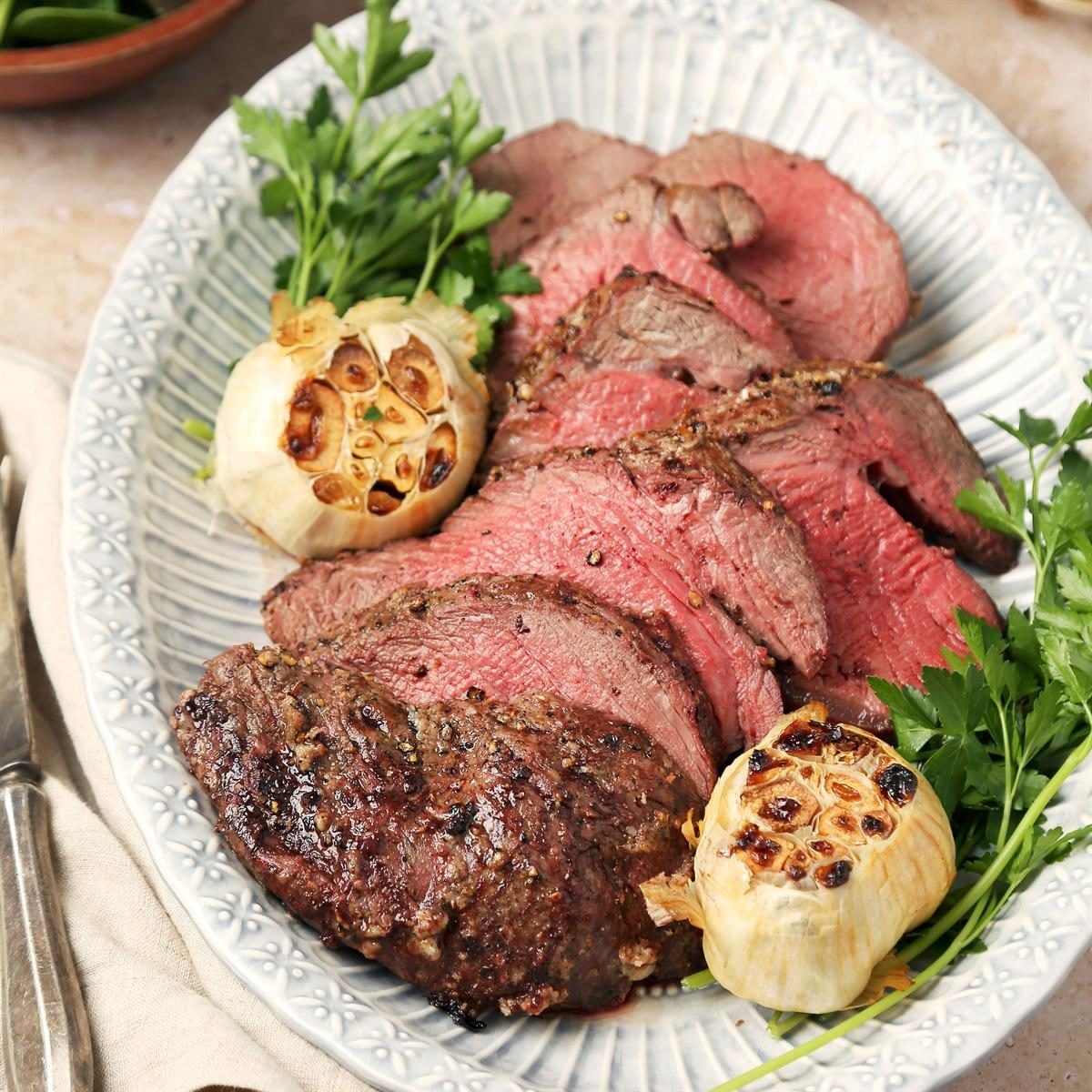
Customize Your Beef Tenderloin Roast: A Holiday Centerpiece Guide
As the holiday season approaches, thoughts turn to festive gatherings and, of course, the magnificent meal that anchors them. While prime rib often steals the spotlight, the elegant and inherently tender beef tenderloin roast offers a refined alternative that's surprisingly straightforward to prepare. This show-stopping cut, celebrated for its buttery texture and lean profile, transforms a special dinner into an unforgettable culinary experience. Best of all, mastering a simple beef tenderloin roast recipe opens up a world of customization, allowing you to tailor its flavors to perfectly match your palate and holiday theme. Forget the intimidation; crafting this impressive dish is easier and quicker than you might imagine, making it the ideal centerpiece for your next celebration.
Why Beef Tenderloin Reigns Supreme for Holiday Feasts
The beef tenderloin, often referred to as the filet mignon when cut into individual steaks, is a prized cut from the short loin of the cow. Its appeal as a holiday roast lies in several key characteristics:
- Unmatched Tenderness: As a muscle that performs little work, the tenderloin boasts an incredibly soft, almost melt-in-your-mouth texture that sets it apart from other beef cuts.
- Elegant Presentation: Its long, cylindrical shape roasts beautifully, carving into perfect slices that are visually stunning on any platter.
- Lean & Flavorful: While lean, the tenderloin has a delicate beefy flavor that serves as a fantastic canvas for various seasonings and sauces.
- Feeds a Crowd: A typical 4- to 5-pound roast can comfortably serve 8 to 12 people, making it an efficient choice for larger gatherings.
- Relatively Quick Cooking: Unlike some larger roasts, beef tenderloin cooks relatively quickly, often ready in under an hour, which is a major advantage during busy holiday preparations.
The Foundation: A Simple Yet Flavorful Beef Tenderloin Roast Recipe
Every exquisite dish begins with a solid foundation. For your beef tenderloin roast, a few high-quality ingredients are all you need to highlight the meat's natural goodness. This basic beef tenderloin roast recipe ensures a juicy, tender interior with a beautifully browned crust.
- Beef Tenderloin: The undisputed star. Opt for a whole, untrimmed tenderloin if you wish to practice your butchering skills, or buy it pre-trimmed (often labeled "PSMO" - peeled, silver skin, side muscle off) for convenience.
- Olive Oil: More than just a lubricant, olive oil acts as a binder, helping your seasonings adhere uniformly to the meat. It also contributes to that coveted golden-brown crust, enhancing both flavor and appearance.
- Fresh Garlic: Minced garlic imparts a pungent, aromatic depth that complements the richness of the beef without overpowering it. Its classic flavor profile is a natural match for tenderloin.
- Sea Salt & Coarsely Ground Black Pepper: These aren't just for seasoning; they're flavor enhancers. Sea salt penetrates the meat, bringing out its inherent beefiness and contributing to a savory crust. Coarsely ground pepper adds a welcome bite and texture, creating a delightful contrast.
Preparation and Cooking Essentials: Mastering the Roast
Achieving a perfect medium-rare (or your preferred doneness) beef tenderloin isn't difficult with a few key steps:
- Prep the Roast: If your tenderloin isn't already trimmed, remove any silver skin, excess fat, and the thin "chain" muscle. For a uniformly shaped roast that cooks evenly, tie the tenderloin with butcher's twine at 1.5-inch intervals. This prevents thinner sections from overcooking before thicker sections are done. You can also lightly sear the tenderloin in an oven-safe skillet on all sides before roasting to develop a deeper crust.
- Season Generously: In a small bowl, combine your olive oil, minced garlic, sea salt, and coarsely ground pepper. Rub this mixture thoroughly over every inch of the tenderloin. Don't be shy; generous seasoning is key to a flavorful exterior.
- Preheat & Roast: Preheat your oven to a robust 425°F (220°C). Place the seasoned tenderloin on a rack set in a shallow roasting pan. The rack ensures even air circulation, promoting browning all around the roast.
- Cook to Perfection: Roast for 45 to 65 minutes, depending on the size of your tenderloin and desired doneness. The most reliable way to gauge doneness is with an instant-read meat thermometer inserted into the thickest part of the roast (avoiding bone if present).
- Medium-Rare: 130-135°F (54-57°C)
- Medium: 135-140°F (57-60°C)
- Medium-Well: 140-145°F (60-63°C)
Remember that the temperature will rise by 5-10 degrees during resting, so pull the roast accordingly.
- The Critical Rest: Once the desired internal temperature is reached, remove the roast from the oven. Tent it loosely with foil and let it rest for a full 15 minutes before slicing. This crucial step allows the juices to redistribute throughout the meat, ensuring every slice is incredibly moist and tender. Skipping this step will result in a dry roast.
Elevate Your Holiday Roast: Creative Customization Ideas
Now for the fun part: taking your basic beef tenderloin roast recipe and transforming it into a personalized culinary masterpiece. Here are some fantastic ways to infuse unique flavors and textures:
Herb-Crusted Elegance
For an aromatic and visually appealing finish, incorporate fresh herbs into your seasoning rub. Finely chop a mix of rosemary, thyme, parsley, and perhaps a touch of sage. These classic herbs not only provide a vibrant green crust but also infuse the beef with deep, earthy notes that sing of the holidays.
Decadent Bacon-Wrapped Delight
Beef tenderloin is notoriously lean, so adding a layer of fat can significantly enhance its juiciness and flavor. Wrap the seasoned tenderloin tightly with thin slices of bacon or prosciutto before roasting. As the bacon cooks, its fat renders, basting the beef and imbuing it with a smoky, savory richness. Secure the bacon with butcher's twine or toothpicks.
Amp Up the Spice Factor
If you enjoy a bit of heat, introduce some subtle spice to your rub. A teaspoon of crushed red pepper flakes will add a gentle kick. For a smoky depth, consider adding smoked paprika or a dash of chipotle powder. A blend of black pepper, white pepper, and a touch of cayenne can also create a complex warmth.
Basting & Sauce Pairings for Extra Richness
Beyond the rub, what you baste with or serve alongside can significantly alter the flavor profile:
- Red Wine Baste: Baste the roast every 15-20 minutes with a dry red wine (like Cabernet Sauvignon or Merlot) during the last half of cooking for a deeper, more complex flavor.
- Compound Butter: Before roasting, spread a flavorful compound butter (butter mixed with herbs, garlic, shallots, or even blue cheese) over the tenderloin. As it melts, it will baste the meat, adding incredible richness.
- Classic Sauces: Serve your carved beef with complementary sauces. A red wine reduction, balsamic glaze, creamy horseradish sauce, or a rich mushroom ragout all pair beautifully with the tenderloin.
- Mustard & Herb Glaze: Create a tangy crust by spreading a thin layer of Dijon mustard mixed with fresh herbs and a touch of honey over the roast before cooking.
Storing Leftovers and Avoiding Toughness
Should you be so lucky to have leftovers of your magnificent beef tenderloin roast, proper storage is key to enjoying them later. Store any remaining roast in an airtight container in the refrigerator for up to four days. To maintain its succulence, slice only the portion you intend to eat, keeping the rest of the roast whole.
Yes, you can also freeze cooked beef tenderloin roast! Wrap the cooled meat tightly in plastic wrap, then in aluminum foil, and finally place it in a freezer-safe bag. It will keep well for up to two months. Thaw slowly in the refrigerator before gently reheating.
If your beef tenderloin turns out tough, the most common culprit is overcooking. As a lean cut with minimal fat marbling, tenderloin can dry out and become chewy very quickly if cooked past medium-rare or medium. Using a meat thermometer and adhering to the resting period are your best defenses against a tough roast.
Your Holiday Culinary Triumph Awaits!
The beef tenderloin roast is more than just a meal; it's an experience. Its inherent elegance and tender texture make it a show-stopping holiday centerpiece that, despite its sophisticated appearance, is well within reach for any home cook. By starting with a solid easy beef tenderloin roast recipe and embracing the power of customization, you can craft a dish that perfectly reflects your personal taste and delights your guests. So, gather your ingredients, choose your favorite flavor enhancements, and prepare to impress with a perfectly roasted, beautifully customized beef tenderloin that will be the talk of your holiday table.
