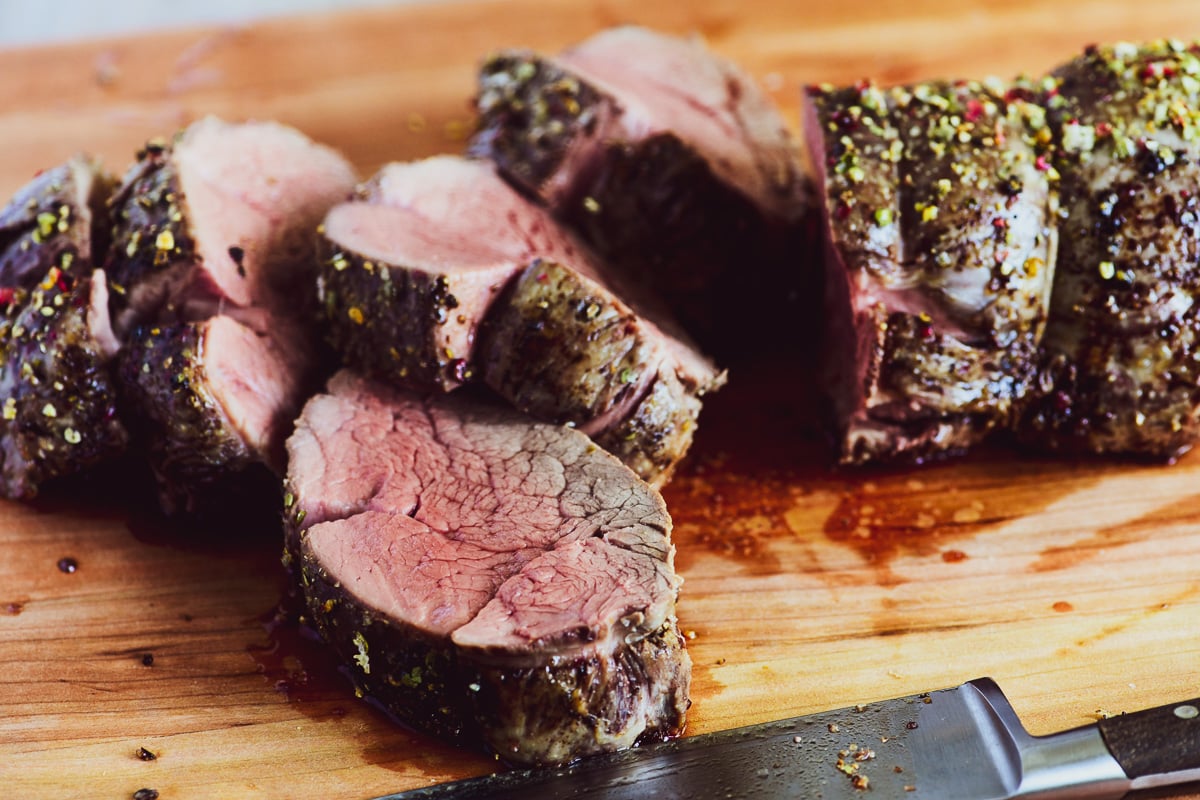
Perfect Beef Tenderloin Roast: Tips for Juiciness & Flavor
The beef tenderloin roast stands as an undisputed champion of elegant dining. Whether you're planning a lavish holiday feast or a memorable special family dinner, this lean, tender cut of beef consistently delivers a showstopping centerpiece. While its sophisticated appearance might suggest a complicated cooking process, we're here to demystify it. Crafting a perfectly juicy and flavorful
beef tenderloin roast recipe is far simpler than you think, especially with the right techniques and a few key ingredients. Get ready to impress your guests with a meal that tastes like a million dollars but takes under an hour to cook and rests.
Unlocking the Secret to a Perfectly Juicy Beef Tenderloin
Beef tenderloin, often referred to as filet mignon when cut into steaks, is prized for its exceptional tenderness and fine grain. Its buttery texture makes it incredibly desirable, but being a lean cut, it requires precise cooking to prevent it from drying out. The secret to achieving that melt-in-your-mouth juiciness and rich flavor lies in understanding the meat itself and applying a straightforward roasting method. Forget complex marinades or hours of preparation; the true beauty of a great beef tenderloin lies in highlighting its natural characteristics with minimal fuss.
The Essential Ingredients for Success
A truly great beef tenderloin roast doesn't need a lengthy ingredient list. In fact, a handful of high-quality components are all it takes to bring out its best.
*
Beef Tenderloin: The Star of the Show
Selecting a good quality beef tenderloin is paramount. Look for a uniform shape and minimal silverskin. You might buy it already trimmed, or you may need to do some light butchery yourself. Remove any tough silverskin with a sharp knife, as it won't render during cooking and can make the meat chewy. If your tenderloin has a thinner "tail" end, you might tuck and tie it underneath to create a more even thickness, promoting uniform cooking.
*
Olive Oil: The Flavor Binder
A good quality olive oil serves multiple crucial roles. It acts as the perfect vehicle for your seasonings, ensuring they adhere evenly to the meat's surface. Furthermore, it aids in creating a beautiful, golden-brown crust during roasting, locking in moisture and adding depth of flavor.
*
Minced Garlic: Aromatic Pungency
Garlic is a natural companion to beef. Its characteristic pungency beautifully complements the rich, savory notes of the tenderloin, infusing the meat with an irresistible aroma and taste.
*
Sea Salt & Coarsely Ground Pepper: The Flavor Foundation
These two humble ingredients are indispensable. Sea salt, with its larger crystals, enhances the beef's natural flavors and helps draw moisture to the surface, contributing to that desirable flavorful crust. Coarsely ground black pepper adds a subtle kick and texture, rounding out the seasoning profile. The coarseness of both salt and pepper ensures a more even distribution and impactful flavor with each bite.
Step-by-Step Guide to Roasting Your Masterpiece
Even for a magnificent cut like beef tenderloin, the cooking process is surprisingly simple. Precision is key, particularly when it comes to temperature and resting.
Preparation is Key
1.
Preheat Your Oven: Begin by preheating your oven to a high temperature, typically 425°F (220°C). This initial high heat creates a beautiful sear on the exterior of the roast, locking in juices and developing a savory crust.
2.
Prepare the Tenderloin: If your tenderloin isn't already tied, consider using butcher's twine to create a more uniform shape. This ensures the roast cooks evenly, preventing the thinner parts from overcooking while the thicker parts reach desired doneness. Pat the entire roast thoroughly dry with paper towels; moisture on the surface hinders browning. Place the tenderloin on a rack set inside a shallow roasting pan.
3.
Season Generously: In a small bowl, combine your olive oil, minced garlic, sea salt, and coarsely ground pepper. Rub this mixture generously all over the beef tenderloin, ensuring every inch is coated evenly. Don't be shy – this is where much of your flavor comes from!
The Roasting Process: Time and Temperature
Once prepped, your tenderloin is ready for its transformation:
1.
Roast to Perfection: Place the roasting pan in your preheated oven. Roast for 45 to 65 minutes, depending on the size of your roast and your desired level of doneness. A 5-pound roast often falls within this range.
2.
Monitor Internal Temperature: This is the most critical step for a juicy tenderloin. Use a reliable meat thermometer inserted into the thickest part of the roast (avoiding bone if present, though tenderloin is boneless).
* For
medium-rare, aim for an internal temperature of 135°F (57°C).
* For
medium, target 140°F (60°C).
* For
medium-well, reach 145°F (63°C).
Remember that the temperature will continue to rise by about 5-10 degrees while resting, a phenomenon known as "carryover cooking." So, pull it slightly *before* your target.
3.
The All-Important Rest: Once the tenderloin reaches your desired temperature, immediately remove it from the oven. Tent it loosely with aluminum foil and let it rest for a crucial 15 minutes before slicing. This resting period allows the juices to redistribute throughout the meat, ensuring every slice is incredibly moist and tender. Skipping this step is the fastest way to a dry roast.
4.
Slice and Serve: After resting, remove the twine (if used) and slice the tenderloin against the grain into thick, medallions. Serve immediately and enjoy the fruits of your labor!
For more detailed timing guidance and an effective high-heat roasting method, check out our article:
Easy Beef Tenderloin Roast: Elegant & Ready in Under an Hour.
Elevate Your Roast: Customization & Flavor Variations
While a classic salt, pepper, garlic, and olive oil rub is fantastic, one of the joys of cooking a
beef tenderloin roast recipe is its versatility. It's a blank canvas for culinary creativity.
*
Give It an Herb Crust: For an aromatic and vibrant twist, finely chop fresh herbs like rosemary, thyme, and parsley and add them to your garlic and olive oil rub. The herbs will create a fragrant crust that beautifully complements the beef.
*
Wrap It in Bacon: Want to add an extra layer of richness and a touch of smoky flavor? Wrap the seasoned tenderloin in strips of bacon before roasting. The bacon not only provides a delicious crust but also bastes the meat, keeping it extra moist.
*
Amp Up the Spice: If you enjoy a subtle kick, mix a teaspoon of crushed red pepper flakes into your rub. It adds a gentle warmth without overpowering the tenderloin's delicate flavor.
*
Baste with Wine or Serve with Sauce: For an even richer flavor profile, baste the roast with red wine as it cooks, or serve it alongside a gourmet sauce. A classic red wine reduction, a tangy balsamic glaze, or a creamy horseradish sauce all make phenomenal accompaniments. For more inspiring ideas on transforming your tenderloin, explore our guide:
Customize Your Beef Tenderloin Roast: A Holiday Centerpiece Guide.
Handling Leftovers and Avoiding Common Pitfalls
Even if you've mastered the art of roasting, knowing how to store and reheat your tenderloin, and what to avoid, ensures every bite is perfect.
Leftover Storage & Freezing
Should you have any delectable leftovers, proper storage is key to maintaining their quality. Store roasted beef tenderloin in an airtight container in the refrigerator for up to four days. A pro tip for maintaining juiciness: only slice the portion you plan to eat immediately and store the remaining roast whole. This minimizes exposure to air and retains moisture.
Yes, you can absolutely freeze beef tenderloin roast! For longer storage, wrap the cooked meat tightly in plastic wrap, then in aluminum foil, and finally place it in a freezer-safe bag. It can be frozen for up to two months. When ready to enjoy, thaw it slowly in the refrigerator overnight.
Why is My Beef Tenderloin Tough?
The most common reason for tough beef tenderloin is
overcooking. As a very lean cut of meat with little fat marbling, it doesn't have much to spare when it comes to moisture. Pushing it past medium-rare or medium doneness will quickly lead to a dry, tough texture. This is why a meat thermometer and precise temperature control are your best friends when preparing this roast. Don't be afraid to pull it from the oven when it reaches the lower end of your desired temperature range, accounting for carryover cooking.
Conclusion
Mastering the perfect
beef tenderloin roast recipe is an incredibly rewarding culinary achievement. With just a few simple ingredients and a keen eye on cooking temperatures, you can consistently produce a tender, juicy, and exceptionally flavorful roast that will be the highlight of any meal. Whether you stick to the classic preparation or venture into exciting flavor customizations, this elegant dish is surprisingly approachable. So, take the plunge, follow these tips, and prepare to savor one of the finest cuts of beef, cooked to absolute perfection.